
What is cervical screening?
Cervical screening is a test that checks the health of your cervix to see if you are at an increased risk of developing cervical cancer.
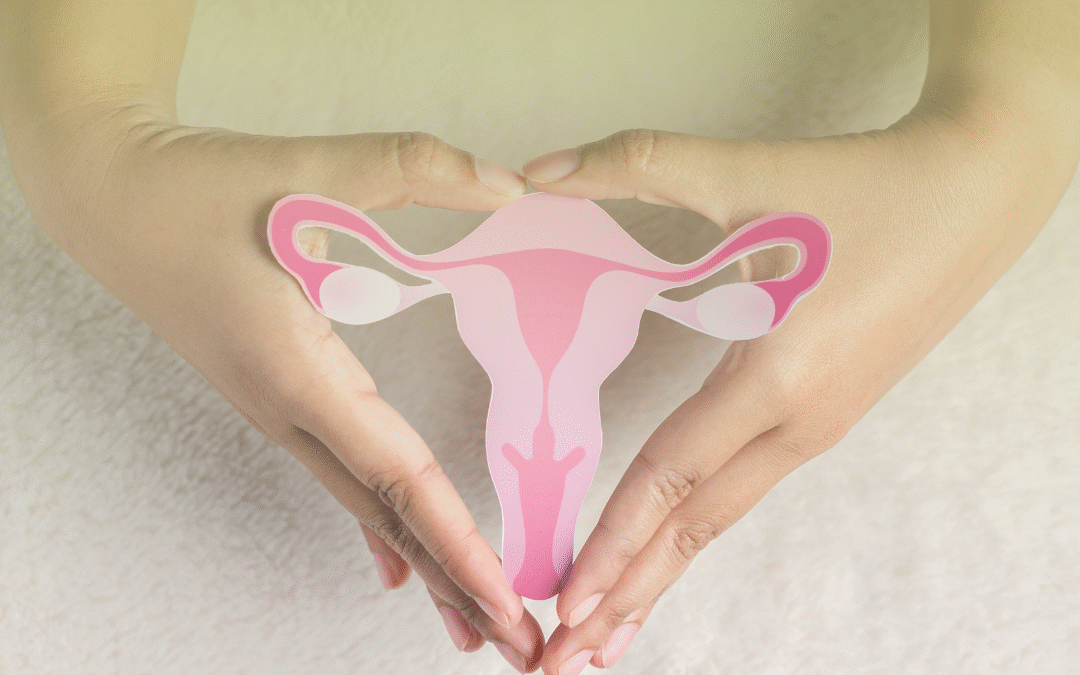
The cervix is the opening to to the uterus (womb) from the vagina. The cells in your cervix are changing all the time. Sometimes abnormal changes happen.
9 in 10 cervical cancers are caused by certain types of human papillomavirus (HPV). HPV is a group of very common viruses that are passed from person to person during skin-to-skin contact, particularly sexual activity. Most HPV infections do not cause any symptoms and resolve on their own, however some increase the risk of cervical cancer.
Cervical cancer screening looks to see if you have any of the high-risk types of HPV that cause cervical cancer. If HPV is found, your same test sample will be checked to see if you have any abnormal (pre-cancerous) cells in your cervix.
Cervical cancer screening is not a test for cancer, it's a test to spot those who are at risk of developing cancer, by detecting abnormal changes early before they become cancer. This could save your life.
It's estimated that cervical screening can prevent 3 out of 4 cervical cancer cases.
Who should have cervical screening?
Anyone with a cervix between the ages of 25 and 65 should have regular cervical screening tests. CervicalCheck is the national cervical screening programme. It offers free testing to everyone in the target group.
If you're between 25 and 29 years of age, you will usually have a cervical screening test every 3 years.
If you're between 30 and 65 years of age, you will usually have a cervical screening test every 5 years.
It's safe to wait for 5 years between tests if you do not have a high-risk HPV infection.
If you have periods, the best time to have your test is halfway through your cycle - that's 10-14 days after the first day of your period.
No screening test is 100% effective. If you have any worries or symptoms, such as pain in your pelvis or abnormal vaginal bleeding or discharge, go to your GP without delay.
How is the test done?
You will undress from the waist down. You will lie down on a bed with your legs bent, feet together and knees spread apart.
The doctor or nurse will gently put an instrument called a speculum into your vagina, which is opened to show your cervix.
Next a sample of cells is gently removed from your cervix using a small, specialised brush.
This sample will be sent to a laboratory where it can be tested for HPV and, if necessary, abnormal changes.
The test can be uncomfortable but shouldn’t be painful. Always tell your doctor or nurse if you're worried or anxious about the test, so that they can try to make it more comfortable for you.
The test should only take a few minutes to complete.
Getting cervical screening test results
You'll usually get a letter with your results within 4 weeks of your screening test.
If you don't hear anything by this time, call your GP or clinic to see if they have any updates.
Most people's results are normal (no HPV found).
What your results mean
There are 14 high-risk types of HPV that are known to cause cervical cancer. Your cervical screening test looks for these.
______________________________________
Source: https://www.cancer.ie/cancer-screening/cervical-cancer-screening
Read more: https://www2.hse.ie/conditions/cervical-screening/
When is my next cervical screening test due? http://https://apps.cervicalcheck.ie/