Female Health
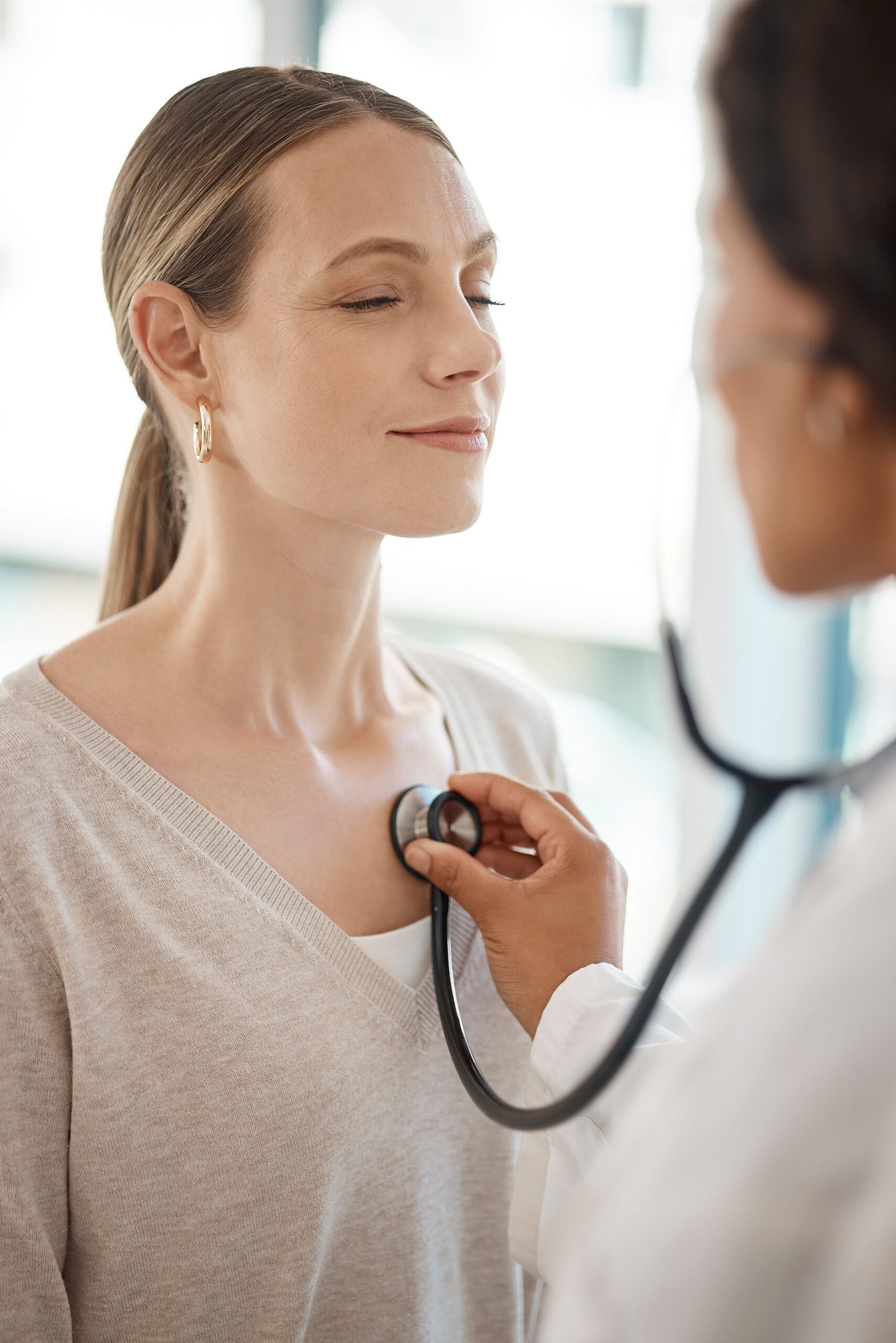
We provide a full range of medical services to women of all ages, such as family planning, contraceptive and sexual health advice, antenatal care and cervical screening. We are experienced in dealing with a full range of gynaecological issues such as problems with menstruation, menopause, urination and pelvic pain.
Cervical Screening
If you have received your CervicalCheck letter, please contact reception to make an appointment.
Cervical screening is a method of preventing cervical cancer by detecting abnormal cells in the cervix (lower part of the womb). Cervical screening is not a test for cancer, but it is a test to check the health of the cervix. The National Cervical Screening Programme, CervicalCheck, provides free cervical screening to women aged 25 to 65.
Cervical screening is a simple procedure that only takes minutes and is the most effective way to detect changes in the cells of the cervix. Most women's test results show that everything is normal. But for one in 20 women, the test will show some changes in the cells of the cervix. In Ireland about 200 women are diagnosed with cervical cancer each year. It is the second most common female cancer in Europe.
Breast Check
Breast cancer is the most common female cancer in Ireland. About 2,700 women get breast cancer in Ireland each year. Most of them (8 out of 10) are over 50, but younger women, and in rare cases men, can also get breast cancer.
BreastCheck is a Government-funded programme providing breast screening and invites women aged 50 to 69 for a free mammogram on an area-by-area basis every two years. The aim of BreastCheck is to reduce deaths from breast cancer by finding and treating the disease at an early stage.
It is important for women of all ages to regularly check their breasts for lumps and changes. Watch this video on how to check your breasts for more information.
Menopause
The menopause is when a woman stops having periods and is no longer able to get pregnant naturally. Periods usually start to become less frequent over a few months or years before they stop. Sometimes they can stop suddenly. The menopause is a natural part of ageing. It usually happens between 45 and 55 years of age as a woman's oestrogen levels decline. The average age for a woman to reach the menopause is 51. But around 1 in 100 women experience the menopause before 40 years of age. This is known as premature or early menopause or premature ovarian insufficiency.
Symptoms of the menopause
Most women will experience menopausal symptoms. Some of these can be severe and have a significant impact on your everyday activities.
Common symptoms include:
-
hot flushes
-
night sweats
-
vaginal dryness and discomfort during sex
-
difficulty sleeping
-
reduced sex drive (libido)
-
problems with memory and concentration
Menopausal symptoms can begin months or even years before your periods stop. They can last around 4 years after your last period. Some women have them for much longer. A significant number of women can develop urinary incontinence after the menopause, for which treatment is also possible.
When to contact your GP
Talk to your GP if:
-
you have menopausal symptoms that are troubling you
-
you're experiencing symptom before 45 years of age
Your GP can usually confirm if you're menopausal based on your symptoms. If you are under 45, they may take a blood test to check your hormone levels.
Treatments for menopausal symptoms
Your GP can recommend treatments and lifestyle changes if you have severe menopausal symptoms.
These include:
-
hormone replacement therapy (HRT) – tablets, skin patches, gels and implants that relieve menopausal symptoms by replacing oestrogen
-
vaginal oestrogen creams, lubricants or moisturisers for vaginal dryness
-
cognitive behavioural therapy (CBT) – a type of talking therapy that can help with low mood and anxiety
-
eating a healthy, balanced diet and exercising regularly can improve some menopausal symptoms
Your GP may refer you to a menopause specialist if your symptoms do not improve after treatment or if you cannot take HRT.
Useful Links & Resources
- Irish Nutrition & Dietetic Institute - Female Nutrition
-
Safe Ireland (Domestic Abuse) - Everyone has the right to live free from violence and abuse. If you are experiencing abuse, you are not alone. There is support available to you. Find your local refuge here.
-
Sexualwellbeing.ie - contraceptive choices, sexually transmitted infections, free home STI kits, unplanned pregnancy information
- Let’s talk about menopause -
This content of this page (and links to other sites) is for general information purposes only and does not substitute medical advice. While we endeavour to keep this website up-to-date, errors may occur. We advise all patients to discuss their health concerns with their GP. If you would like to suggest amendments or highlight new information that could be useful to others please don’t hesitate to get in touch.